Pew’s commitment to the Philadelphia region reflects our founders’ significant historical ties to the area.
Pew seeks to foster a vibrant civic life in our hometown by informing discussion on important policy issues facing the city, partnering with local institutions to encourage a thriving arts and cultural community, supporting the health and welfare of the region’s most vulnerable populations, and pursuing civic initiatives to strengthen Philadelphia’s appeal to residents and visitors alike.
Highlights
Since its inception over 25 years ago, the Pew Fund for Health and Human Services has awarded more than $220 million to approximately 320 nonprofit organizations in Philadelphia and surrounding Pennsylvania counties that serve some of the area’s most vulnerable populations.
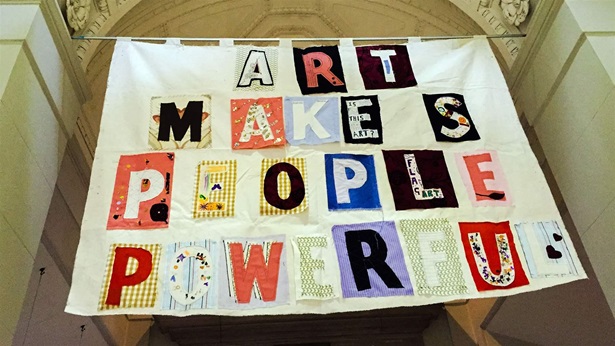
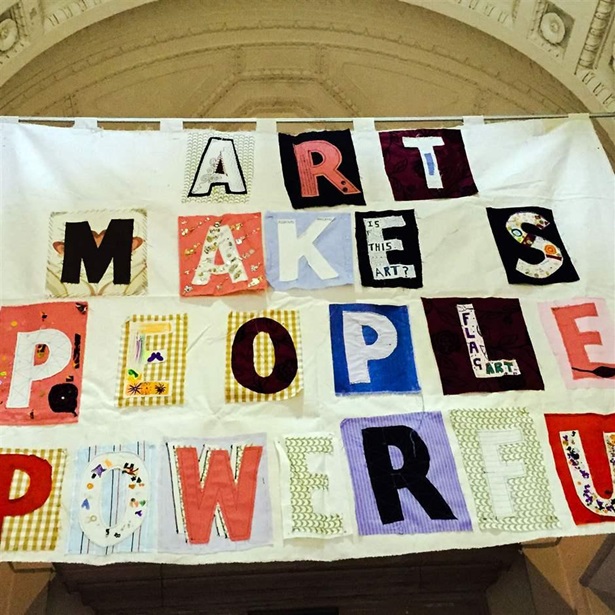
The Pew Center for Arts & Heritage has awarded millions of dollars each year to local arts and culture organizations and individual artists since it was established in 2005.
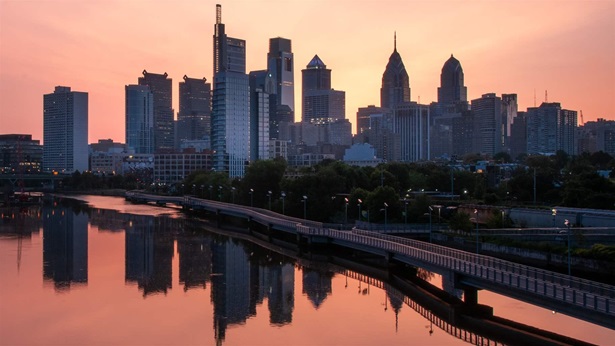
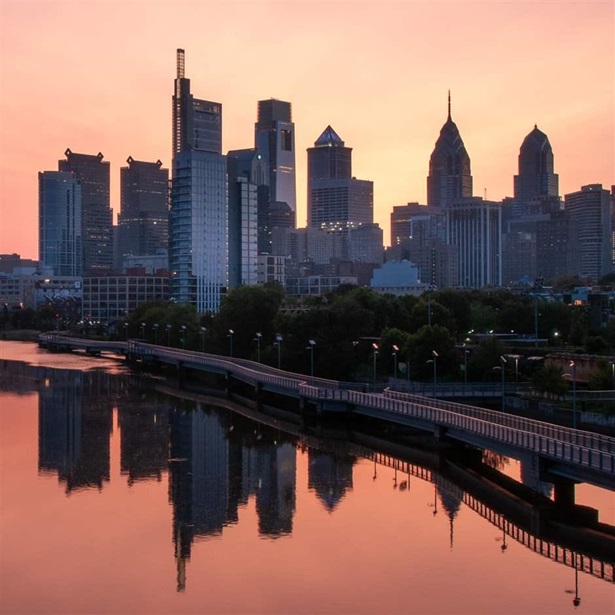
Pew’s civic initiatives have included funding for major projects such as the revitalization of Independence Mall; enhancements to the Benjamin Franklin Parkway, a major cultural corridor; the creation and extension of the Schuylkill River Trail and boardwalk system, which offers over 30 miles of outdoor recreational paths; and support for a variety of museums and other attractions.
Pew’s local research has examined topics such as Philadelphia’s growing immigrant population, the persistence and magnitude of poverty, the effects of the opioid crisis, the local tax burden for residents and businesses, and issues related to government performance and fiscal health. Our annual “State of the City” report provides a comprehensive look at key indicators of Philadelphia’s condition, and our regular polling has gauged residents’ views on the city’s present and future, as well as timely policy issues. We also convene local and regional stakeholders with experts and officials from around the country to discuss effective, evidence-based solutions for policy issues ranging from evaluating business tax incentives to reducing opioid misuse.
As 2025 began, Philadelphia appeared to be entering a new and different phase after years of pandemic-related reverberations. The question is which effects from the past few years will turn out to have been temporary and which will prove more enduring. The answers are beginning to come into sharper focus.
Philadelphia’s economy was performing well in the decade before the pandemic—matching and, in some years, outperforming the nation in job generation. But COVID-19 halted that progress, and the city’s recovery has lagged that of the national economy. That’s especially troubling given that Philadelphia’s pre-pandemic job growth did not extend to workers of color in the city.
Philadelphia is a unique city, with a vitality and identity that’s distinctively ours. That’s why so many of us have chosen to stay here, or move here, and raise the next generation of Philadelphians.