

Enhancing Health and Well-Being in the Greater Philadelphia Region
Through the Pew Fund for Health and Human Services in Philadelphia, The Pew Charitable Trusts supports nonprofit organizations that promote the health and well-being of people facing complex challenges rooted in poverty. Pew Fund grants help local social services organizations expand their reach and impact in the Philadelphia region and implement promising solutions to emerging problems or gaps in service delivery.
Grant programs
The Pew Fund provides two types of grants:
Venture grants: Flexible funding that enables organizations to meet an emerging need or fill a critical service gap for a specific population while using data to increase a program’s sustainability and impact over the grant period. These grants support promising solutions that have the potential to create “ripple effects” on sectorwide practices, policies, or systems. The awards range from $100,000 to $250,000 over two years and are nonrenewable. To be considered for support in this category, an organization must have an operating budget of at least $400,000.
Growth grants: Flexible, multiyear investments that strengthen health and human services agencies’ capacity to provide more low-income individuals with research-informed services. These grants support the expansion of proven services and programs in the Philadelphia region. The grants range from $750,000 to $4 million over five years, with the possibility of renewal based on performance. To be considered for support in this category, an organization must have an operating budget of at least $2 million.
Focus areas, eligibility and selection process
Through 2024, the Pew Fund will focus on supporting organizations that address the following issue areas:
- Benefits and income supports.
- Immigrant and refugee services (particularly to support economic stability and mobility).
- Older adult housing and homeownership.
- Workforce development.
Pew Fund staff members identify organizations on a rolling basis and invite them to participate in a rigorous review process. Decisions on funding requests are made on a quarterly basis, in March, June, September, and December. To be eligible for funding, an organization must:
- Have 501(c)(3) nonprofit status.
- Provide services in Pennsylvania’s Bucks, Chester, Delaware, Montgomery, and/or Philadelphia counties.
- Have three years of financial statements.
For more information on our process, please visit the Pew Fund’s frequently asked questions page. After reading the FAQ, organizations that meet the specified criteria can inquire about funding by filling out our online form.
Training and technical assistance for grantees
Grantees receiving either type of funding are eligible for additional training and technical assistance through Pew’sevaluation capacity building initiative, which helps strengthen grantee organizations’ ability to collect, analyze, and use data to understand and improve their programs.
Pew Fund history
Since 1991, the Pew Fund has played an important role in supporting the needs of Philadelphia-area residents facing challenges to their health and well-being—including those related to poverty, mental illness, and homelessness—by enhancing local nonprofits’ collective ability to develop and offer high-quality services.
Since its inception, the fund has invested $265 million in more than 350 local organizations—and in the past five years alone, Pew’s support has helped grantees assist 80,000 to 100,000 people annually. Moving forward, our goal is to have an even more meaningful impact in the region by helping nonprofits continue to expand their use of evidence-based services.
Grantees
The Pew Fund began awarding venture and growth grants in June 2020. Following is a list of those grantees to date.
Venture grantees: Boys & Girls Clubs of Philadelphia, Child Guidance Resource Center, Children’s Hospital of Philadelphia’s Violence Intervention Program, Drexel University’s Healing Hurt People program, Philabundance, Philadelphia Children’s Alliance, Prevention Point, Puentes de Salud, Sharing Excess, Springboard Collaborative, Teach Plus, Temple University Hospital’s Trauma Victim Support Advocates program, Turning Points for Children’s LifeSet Program, University of Pennsylvania’s Pediatric Anxiety Treatment Center at Hall-Mercer, and Women Against Abuse.
Growth grantees: Benefits Data Trust, Center for Families and Relationships, Children’s Crisis Treatment Center, Compass Working Capital, Esperanza Health Center, Heights Philadelphia, MANNA, Project HOME, and University City District’s West Philadelphia Skills Initiative.
Before June 2020, the Pew Fund provided three-year grants to organizations serving specific populations. Press releases announcing our grants, as well as other content related to our grantees, can be found in the “Our Work” section below.


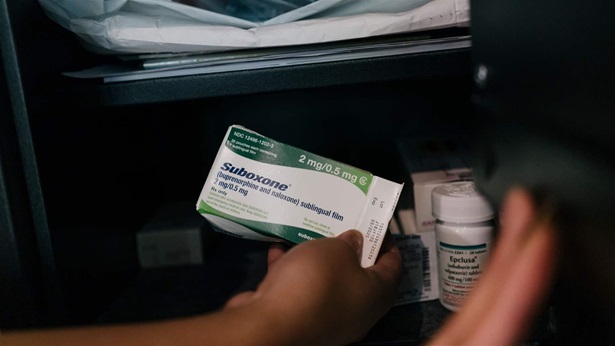
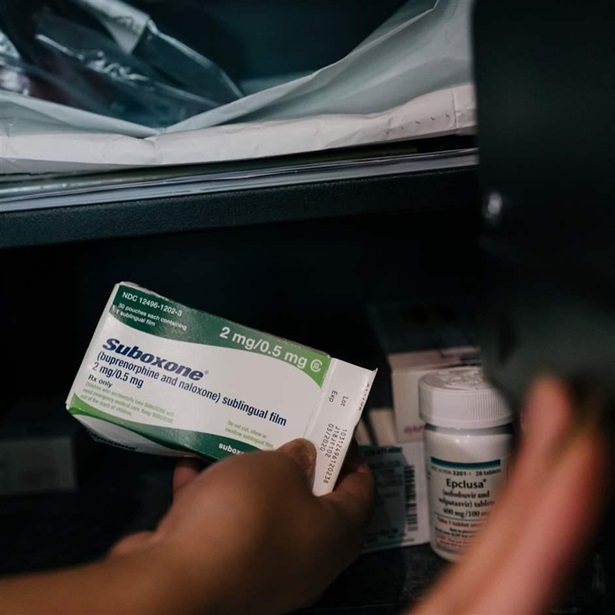
Our Work

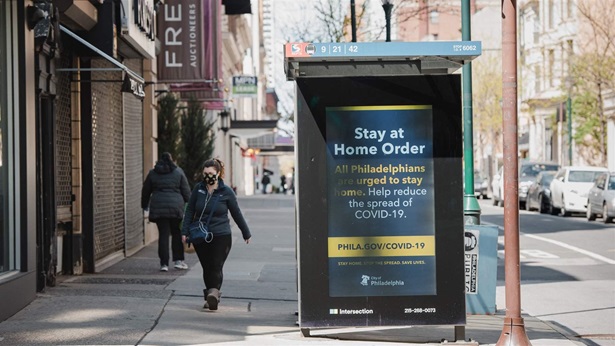
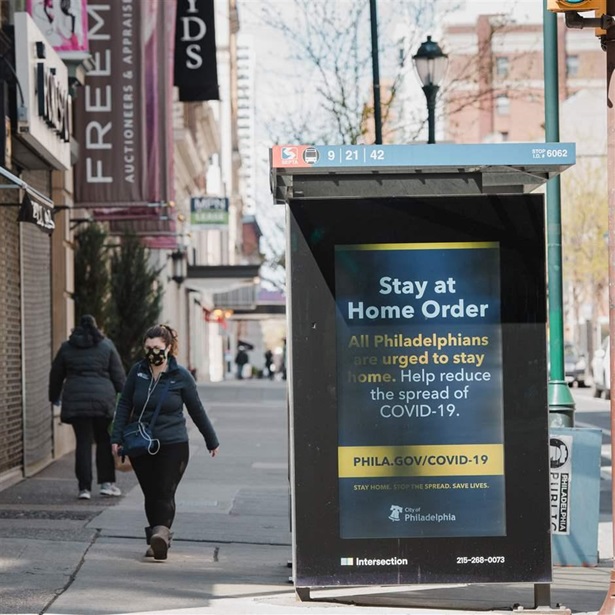
Addressing COVID-19's Impacts on Philadelphia and Our Grantees
This video is hosted by YouTube. In order to view it, you must consent to the use of “Marketing Cookies” by updating your preferences in the Cookie Settings link below. View on YouTube
This video is hosted by YouTube. In order to view it, you must consent to the use of “Marketing Cookies” by updating your preferences in the Cookie Settings link below. View on YouTube